
Pumpkin protein bars have become a staple in my kitchen. As the recipe creator behind EatOkY, I’m always testing ways to blend flavor, nutrition, and simplicity into one bite. This recipe was born one crisp October morning after a walk through my local farmers market. The scent of roasted pumpkin, cinnamon, and oats inspired me to create a snack that felt like fall but fueled like breakfast.
I wanted something soft, chewy, and satisfying. Something I could grab between client calls or after a strength workout. And most of all, something I could feel good about sharing. These bars combine real pumpkin puree, plant-based protein, nut butter, and just enough spice to make every bite feel like a cozy reward.
If you’re into healthy baking that doesn’t cut corners on flavor, you’re in the right place. This article will show you everything you need to know about pumpkin protein bars, from benefits to DIY options to how they can help with weight goals.
Don’t miss our cottage cheese pumpkin cheesecake for another high-protein fall favorite.
Table of Contents
Table of Contents
What Are Pumpkin Protein Bars?
Defining “pumpkin protein bars” and why they’re trending
Pumpkin protein bars are high-protein snacks made with either real pumpkin puree, pumpkin spice, or pumpkin seed protein powder. They’re especially popular during fall but are now gaining traction year-round for their clean ingredients and seasonal appeal.
Unlike traditional protein bars that rely heavily on whey or soy, pumpkin protein bars often use plant-based protein from pumpkin seeds, which makes them suitable for vegans, vegetarians, and anyone avoiding dairy or soy. What really sets them apart, though, is their taste. The warm spices, natural sweetness, and soft texture make them feel more like dessert than a protein supplement.
These bars are trending for good reason. Consumers want snacks that taste homemade, offer functional health benefits, and use ingredients they recognize. Pumpkin fits all those boxes. It’s nutrient-dense, allergy-friendly, and comforting. The rise of clean-label snacks and seasonal flavors only adds fuel to the pumpkin bar movement.
If you’re looking for a snack that supports your protein goals and satisfies your sweet tooth, pumpkin protein bars are a smart choice.
Key ingredients and nutrition profile of pumpkin-based protein bars
Pumpkin protein bars vary depending on whether they are homemade or store-bought, but most feature a few staple ingredients:
| Ingredient | Role in the Bar |
|---|---|
| Pumpkin Puree | Adds moisture, fiber, and a mild sweetness |
| Pumpkin Seed Protein | Plant-based protein source, rich in zinc |
| Nut Butter (Almond, Peanut) | Adds healthy fats, protein, and helps bind the bar |
| Rolled Oats | Provides complex carbs and texture |
| Maple Syrup or Honey | Natural sweetener used in moderation |
| Pumpkin Spice | Gives the bar its signature flavor |
On average, one pumpkin protein bar contains:
- 12–18 grams of protein
- 3–6 grams of fiber
- Less than 10 grams of sugar
- 200–250 calories
That makes it a balanced snack you can enjoy post-workout, with your coffee, or as a midday energy boost.
Check out our high-protein lasagna recipe for a savory protein-rich meal that pairs well with your clean snacking habits.
Print
Pumpkin Protein Bars
- Prep Time: 10 minutes
- Cook Time: 20 minutes
- Total Time: 30 minutes
- Yield: 16 bars
- Category: Snack, Breakfast, Post-Workout
- Method: Baking
- Cuisine: American
- Diet: Vegetarian
Description
These pumpkin protein bars are soft, chewy, and packed with plant-based protein, fall spices, and simple ingredients. Perfect for healthy snacking, post-workout fuel, or meal prep.
Ingredients
1 cup old-fashioned rolled oats or quick oats
1 cup vanilla protein powder (vegan if needed)
1 tsp baking powder
1 tsp baking soda
½ tsp salt
1 tbsp pumpkin pie spice
¼ cup maple syrup
1 cup canned pumpkin or homemade pumpkin puree
½ cup oat milk or other non-dairy milk
1–2 tbsp dairy-free chocolate chips (optional)
Instructions
Preheat oven to 350°F. Grease or line an 8×8-inch baking dish.
In a large bowl, stir oats, protein powder, baking powder, baking soda, salt, and pumpkin spice.
In another bowl, mix maple syrup, pumpkin puree, and oat milk.
Combine wet and dry ingredients until fully blended.
Spread into baking dish. Sprinkle with chocolate chips.
Bake for 20 minutes or until a toothpick comes out clean.
Let cool. Cut into 16 bars.
Notes
Maple Syrup Substitute: You can use honey, agave, or a few drops of liquid stevia for a lower-sugar option. Adjust to taste.
Protein Powder: Use a clean vanilla protein powder (vegan or whey) that blends well without overpowering the pumpkin flavor.
Texture Tip: For softer bars, add 1–2 tbsp of unsweetened applesauce or mashed banana.
Make it Nut-Free: Use sunflower seed butter instead of almond or peanut butter if modifying the recipe.
Add-ins: Try mixing in chopped walnuts, dried cranberries, or chia seeds for added texture and nutrition.
Benefits of Pumpkin Protein Bars for Health and Fitness
How pumpkin seed protein supports muscle recovery and overall nutrition
Pumpkin seed protein is one of the most underrated plant-based proteins out there. It’s derived from cold-pressed, defatted pumpkin seeds and is packed with essential nutrients that go beyond just protein content.
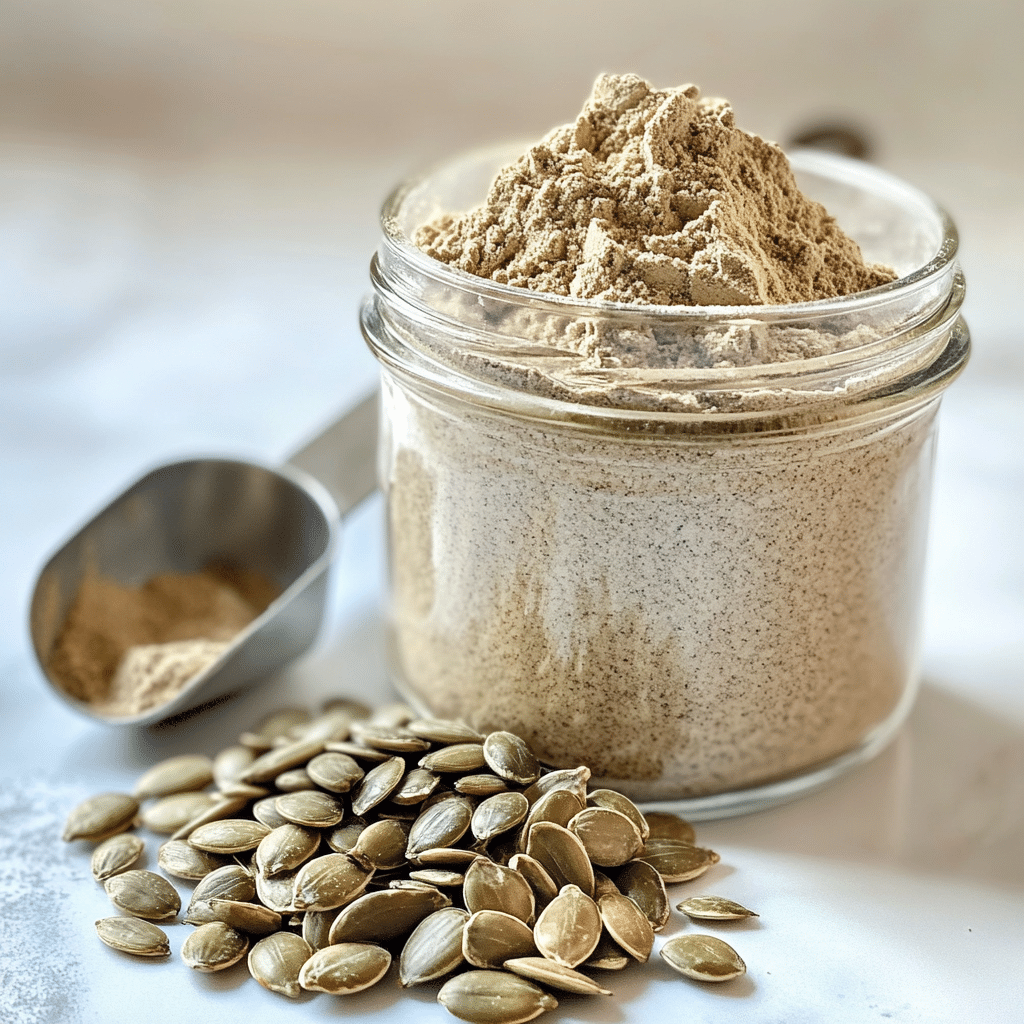
Each scoop of pumpkin seed protein contains all nine essential amino acids, making it a complete protein a rare trait among plant sources. This is especially important for muscle recovery, as your body needs those amino acids to repair and build muscle fibers after workouts.
Unlike some animal-based proteins, pumpkin protein is gentle on the stomach and allergen-friendly. It’s naturally free of dairy, gluten, soy, and common irritants, making it ideal for sensitive eaters or those following an anti-inflammatory diet.
Beyond protein, pumpkin seeds are rich in:
- Zinc, which supports immunity and hormone balance
- Magnesium, essential for muscle function and energy production
- Iron, important for endurance and oxygen delivery
- Antioxidants, like Vitamin E, that help fight inflammation
So, when you bite into a pumpkin protein bar, you’re not just eating a snack you’re feeding your body a blend of essential nutrients that support recovery, strength, and daily performance.
The role of pumpkin ingredients in antioxidant, mineral, and fiber intake
Pumpkin itself, whether in puree form or as seeds, is a powerhouse for vitamins and minerals. That’s part of what makes pumpkin protein bars such a smart addition to your diet.
Let’s break it down:
| Nutrient | Role in Your Health |
|---|---|
| Vitamin A | Supports vision and immune health |
| Fiber | Aids digestion, controls blood sugar |
| Potassium | Helps regulate muscle contractions and fluid balance |
| Beta-carotene | A powerful antioxidant for cell protection |
This combination of antioxidants and fiber helps reduce oxidative stress, regulate blood sugar, and support gut health. That means fewer energy crashes and better overall digestion—a win for anyone trying to maintain energy levels throughout a busy day.
If you’re working toward a fitness goal, pumpkin protein bars deliver fuel and recovery support without the junk. They’re the kind of snack you can eat on the go and still feel good about.
Discover great ideas like our cottage cheese pumpkin cheesecake for a sweet and protein-rich way to enjoy fall flavors.
Are Pumpkin Protein Bars Good for Daily Use?
Is eating a protein bar every day ok? considerations for daily snack use
A common question people ask is whether it’s safe or healthy to eat a protein bar every day. The short answer: it depends on the bar.
Pumpkin protein bars can absolutely be part of a daily diet, especially if they’re made with clean, whole-food ingredients and used in balance with the rest of your meals. The key is to treat them as a nutrient-rich snack or small meal not a candy bar disguised as health food.
Here’s when daily use makes sense:
- You’re active and need post-workout fuel
- You have busy mornings and need a quick breakfast option
- You want a healthy, high-protein snack between meals
- You’re managing cravings and want a clean, satisfying treat
What to watch out for? Over-relying on bars without eating whole meals can lead to nutritional gaps. And not all bars are created equal some are packed with sugar, processed oils, or artificial flavors that cancel out the benefits.
The best approach is to read labels and aim for a bar that supports your daily energy needs without acting like a sugar bomb in disguise.
What to look for in a quality protein bar (ingredients, sugar content, protein amount)
To eat a pumpkin protein bar every day, it has to meet certain standards. Here’s what to look for:
| Feature | Ideal Range or Source |
|---|---|
| Protein | At least 10–15 grams per bar |
| Sugar | No more than 8 grams (preferably natural) |
| Fiber | 3–5 grams for fullness and digestion |
| Fats | Healthy fats like almond or pumpkin seed butter |
| Ingredients | Short list, recognizable whole foods |
Avoid bars that list sugar (or its many forms like corn syrup or fructose) as a top ingredient. Look for ones with natural sweeteners like dates, maple syrup, or honey in small amounts.
Homemade bars give you total control over ingredients, which makes them a smart option for daily use. If buying from a store, opt for brands that are transparent about their sourcing and nutrition.
Daily snacking should feel good not like you’re compromising your health goals.
Up next, we’ll see how pumpkin protein bars compare to traditional protein bars, and why that matters.
Pumpkin Protein Bars vs Traditional Protein Bars
Comparing pumpkin-based bars with whey/soy-based protein bars
Traditional protein bars usually rely on whey or soy protein as their main source of protein. These options are widely used in fitness circles and can be effective for building muscle. However, they’re not for everyone.
Here’s how pumpkin protein bars stand out:
| Feature | Pumpkin Protein Bars | Traditional Protein Bars |
|---|---|---|
| Protein Source | Pumpkin seed protein (plant-based) | Whey or soy (animal or soy-based) |
| Digestibility | Easy on the stomach, low allergy risk | May cause bloating or dairy intolerance |
| Flavor | Earthy, spiced, naturally sweet | Can be chalky or overly artificial |
| Suitability | Vegan, gluten-free, allergy-friendly | Often includes dairy, soy, gluten |
| Nutrition Bonus | High in zinc, magnesium, fiber | May lack fiber and minerals |
Pumpkin seed protein is also alkaline-forming, while whey protein is acid-forming, which may matter if you’re focused on reducing inflammation or supporting long-term gut health.
Many traditional protein bars also lean heavily on artificial sweeteners, sugar alcohols, and synthetic ingredients. While they might offer higher protein numbers on paper, they often fall short in terms of clean nutrition and flavor.
Pros and cons of pumpkin bars (taste, macros, cost, accessibility)
Every snack has trade-offs. Pumpkin protein bars bring plenty of upsides, but there are also a few things to consider before making the switch.
Pros:
- Taste is more natural and seasonal, especially for fall lovers
- Easier to digest for those with dairy or soy intolerance
- Higher in minerals and fiber
- Plant-based and allergen-friendly
- Often lower in sugar and cleaner in ingredients
Cons:
- Protein content may be slightly lower than whey-based bars
- Some store-bought options can be pricey
- Limited availability outside of fall, unless homemade
- Texture may be softer or less chewy than traditional bars
For many, these “cons” are minor, especially if the goal is a clean, well-rounded snack. You can always balance things out with other high-protein meals in your day.
Looking for more protein variety? Check out our high-protein lasagna recipe for a filling lunch or dinner option.
Can Pumpkin Protein Bars Help With Weight Loss?
Mechanisms: satiety, fiber, protein and pumpkin components aiding weight management
Pumpkin protein bars can be an effective tool for weight management when used strategically. They’re not magic bullets, but they offer a smart combination of fiber, protein, and natural nutrients that support satiety and steady energy.
Here’s how they can help:
- Protein increases feelings of fullness, reduces cravings, and helps preserve lean muscle during fat loss. Each bar offers 7–15 grams of plant-based protein, which supports appetite control.
- Fiber from oats and pumpkin slows digestion, keeping blood sugar stable and hunger at bay.
- Low sugar options avoid spikes and crashes that often lead to overeating later.
- Portion control is built-in. Each bar is pre-sized, making it easier to track calories or macros.
Pumpkin also contains compounds like beta-carotene and potassium that support metabolic function and healthy digestion. All of this makes pumpkin protein bars a smart snack to reach for between meals, especially when you’re watching your intake.
Realistic expectations what they can and cannot do for weight loss
Let’s be clear: eating pumpkin protein bars won’t make you lose weight unless they’re part of a calorie-controlled, balanced lifestyle.
Here’s what they can do:
- Help reduce hunger between meals
- Replace sugary or high-calorie snacks
- Support your protein needs during a fat loss phase
- Provide a clean energy boost that keeps you from reaching for junk food
What they won’t do:
- Burn fat by themselves
- Replace the need for whole meals or vegetables
- Cancel out overeating at other times
- Replace physical activity or proper hydration
Use pumpkin protein bars as part of a strategy not as the entire solution. They’re a helpful tool, especially when combined with meal prep, activity, and intentional eating.
Don’t miss our nutrient-packed cottage cheese pumpkin cheesecake , another delicious option that supports weight goals without sacrificing flavor.
Coming up next: your go-to recipe for homemade pumpkin protein bars, with ingredients you likely already have at home.
DIY & Homemade Pumpkin Protein Bars
Simple homemade recipe ideas and how to customise them
Making your own pumpkin protein bars at home gives you total control over the ingredients. You can adjust sweetness, texture, and protein content to suit your needs. Plus, it’s more affordable than buying store-bought bars, and the flavor is fresher too.
Here’s one of our favorite go-to recipes from EatOkY quick, clean, and full of pumpkin spice flavor.
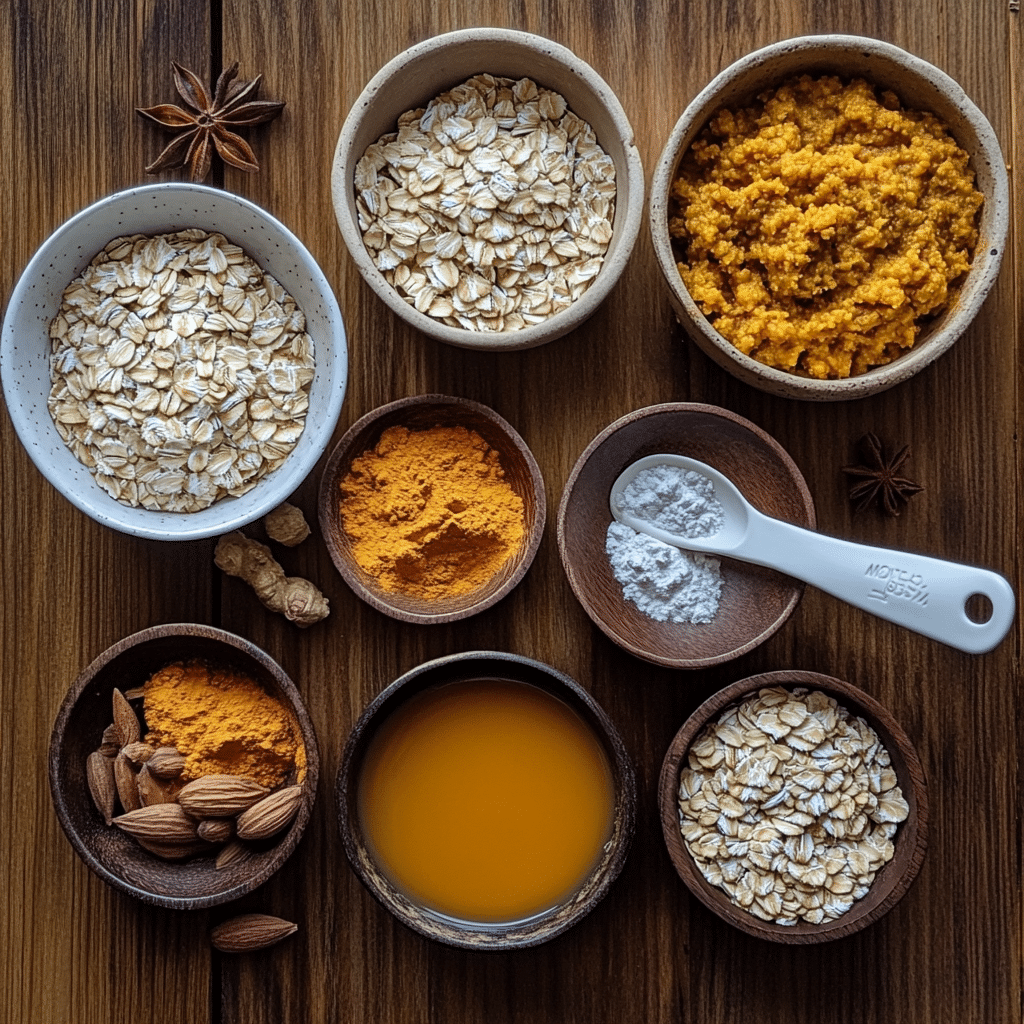
Homemade Pumpkin Protein Bars Recipe
Yields: 16 bars
Prep Time: 10 minutes
Cook Time: 20 minutes
Total Time: 30 minutes
Ingredients (1x batch):
- ▢ 1 cup old-fashioned rolled oats or quick oats
- ▢ 1 cup vanilla protein powder (vegan if needed)
- ▢ 1 teaspoon baking powder
- ▢ 1 teaspoon baking soda
- ▢ ½ teaspoon salt
- ▢ 1 tablespoon pumpkin pie spice
- ▢ ¼ cup maple syrup
- ▢ 1 cup canned pumpkin or homemade pumpkin puree
- ▢ ½ cup oat milk or any non-dairy milk
- ▢ 1–2 tablespoons dairy-free chocolate chips (optional)
Instructions:
- Preheat oven to 350°F. Lightly grease an 8×8-inch baking dish or line with parchment paper.
- In a large bowl, mix the dry ingredients: oats, protein powder, baking powder, baking soda, salt, and pumpkin spice.
- In a separate bowl, whisk together the maple syrup, pumpkin puree, and oat milk.
- Combine wet and dry ingredients, stirring until well incorporated.
- Pour the batter into the baking dish and spread evenly. Sprinkle chocolate chips on top if using.
- Bake for 20 minutes, or until a toothpick inserted in the center comes out clean.
- Let cool completely before slicing into 16 bars.
Storage Tips:
- Store in the refrigerator for up to one week in an airtight container.
- Freeze for up to three months. Great for batch prep!
Nutrition Facts (per bar):
Calories: 77 kcal | Protein: 7g | Carbs: 8g | Fat: 1g | Sugar: 4g | Fiber: 1g | Sodium: 346mg | Potassium: 33mg
Tips for making healthier bars (reduce sugar, improve protein, add seeds)
Want to customize these bars further? Here are some quick ideas:
- Lower the sugar: Swap maple syrup for monk fruit or stevia blend.
- Add more protein: Use Greek yogurt or increase the protein powder slightly.
- Boost fiber: Add ground flaxseed or chia seeds.
- Crunch factor: Add pumpkin seeds or sunflower seeds for texture.
- Flavor twist: Mix in dried cranberries, cinnamon, or a splash of vanilla extract.
Homemade bars allow you to tailor the taste and macros to your exact needs—and they’re way more satisfying than anything prepackaged.
Up next: how to choose the best pumpkin protein bar on the market when you’re short on time or ingredients.
Choosing the Best Pumpkin Protein Bar on the Market
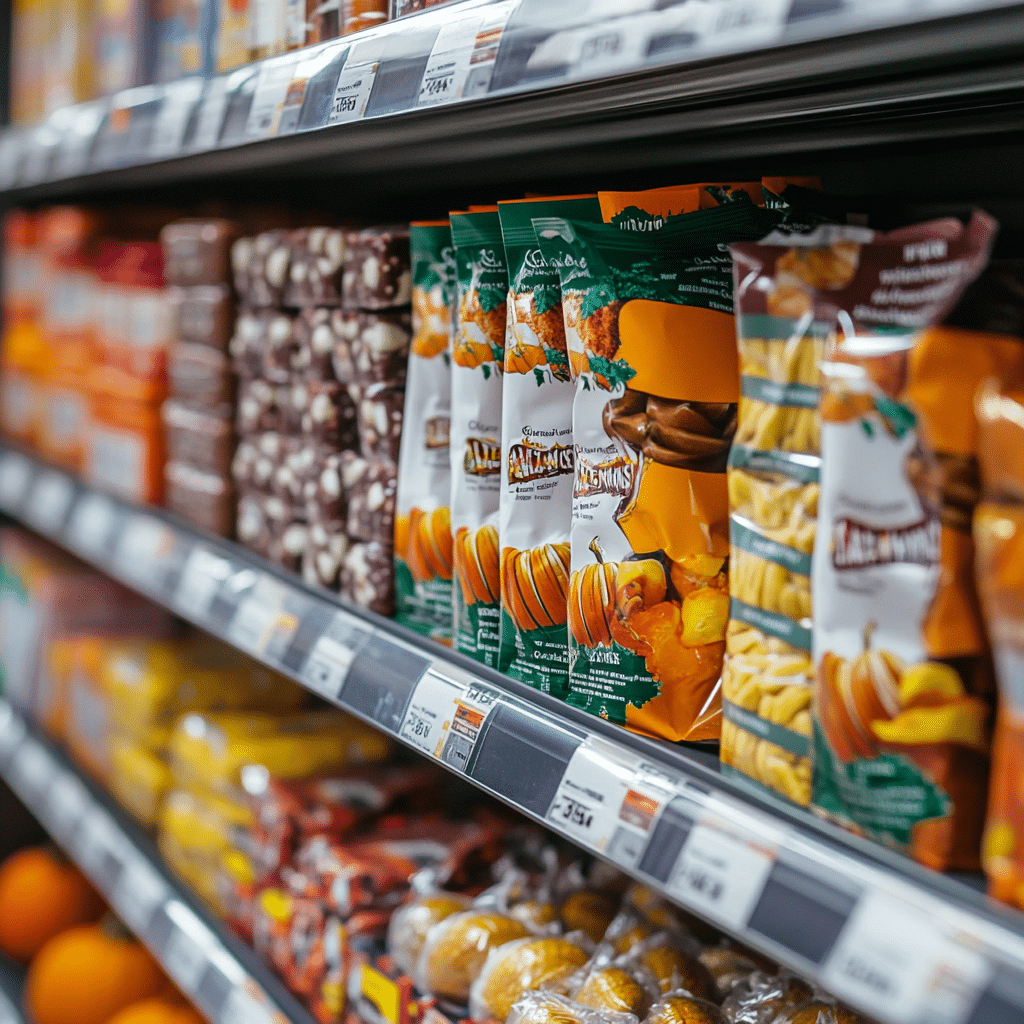
What to check on labels (protein amount, net carbs, sugar, flavourings)
If you’re buying pumpkin protein bars instead of making them at home, it pays to read the label carefully. Not all bars labeled “healthy” or “protein-rich” actually support your wellness goals.
Here’s what to look for when choosing a quality pumpkin protein bar:
| Label Category | What You Want to See |
|---|---|
| Protein | 10–15 grams per bar, ideally from plant-based sources like pumpkin seed or pea protein |
| Sugar | 8 grams or less; avoid high-fructose corn syrup or artificial sweeteners |
| Fiber | At least 3 grams for satiety and blood sugar control |
| Fat | From whole sources like nuts, seeds, or coconut; avoid palm oil |
| Ingredients | Whole-food based, with minimal additives or preservatives |
Also, check for the type of sweetener used. Natural options like maple syrup, honey, or dates are easier to digest than sugar alcohols like erythritol or maltitol, which can cause bloating.
Be cautious with “flavored” bars that use pumpkin spice as a marketing gimmick but contain little to no actual pumpkin. Look for real pumpkin puree or pumpkin seed protein on the ingredient list.
Popular commercial options and how pumpkin-flavoured bars compare
Some popular brands offer seasonal or year-round pumpkin protein bars. These vary widely in quality, so let’s break down a few typical types you might find:
- Clean-ingredient brands
- Use minimal, whole-food ingredients
- May be vegan, gluten-free, and soy-free
- Often found in natural grocery stores or online
- Cost a bit more but deliver on taste and nutrition
- Mainstream brands
- Widely available in convenience stores or gyms
- May include whey, soy, or processed oils
- Often contain added sugars or artificial flavors
- Can work in a pinch but may not be ideal for everyday use
- Meal-replacement bars
- Higher in calories (250–300+) and protein (20+ grams)
- Designed for post-workout or meal skips
- May be heavy and include synthetic additives
Pumpkin-flavored bars are often limited to the fall season, so if you find one you love, stock up or learn to make a homemade version.
Want a sweet, balanced option at home? Don’t miss our cottage cheese pumpkin cheesecake , packed with protein and flavor.
Common Questions About Pumpkin Protein Bars
Is pumpkin protein good? addressing the quality of pumpkin seed protein
Yes, pumpkin protein is an excellent plant-based option. It’s made by pressing and grinding pumpkin seeds into a fine powder that’s naturally high in protein, fiber, and key minerals like magnesium, iron, and zinc.
What makes it stand out is its digestibility. Unlike whey or soy, pumpkin protein is easy on the gut and suitable for those with food sensitivities. It’s also considered a complete protein, meaning it contains all nine essential amino acids. This makes it a rare find among plant-based sources.
Whether you’re vegan, gluten-free, or just looking to reduce processed supplements, pumpkin seed protein is a clean, natural choice that blends well in recipes like bars, smoothies, and baked goods.
What protein bars does Jennifer Aniston eat? celebrity snack choices & relevance
Celebrity endorsements often draw attention to specific health trends, and Jennifer Aniston is no exception. She’s publicly shared her love for protein bars that are simple, balanced, and low in sugar. While she hasn’t been seen munching pumpkin protein bars specifically, she often gravitates toward bars made with minimal ingredients, plant-based proteins, and a focus on clean nutrition.
Aniston has been associated with brands like Vital Proteins, and she prefers snacks that are gluten-free, dairy-free, and rich in collagen or protein to support her wellness lifestyle.
So, while pumpkin protein bars might not be in her regular rotation (yet), they align with the same principles she follows: real ingredients, nourishing macros, and easy-to-grab nutrition that supports a healthy, active lifestyle.
FAQs
Is eating a protein bar every day ok?
Yes, eating a protein bar daily can be part of a balanced diet if the bar is made with quality ingredients. Look for bars that are low in sugar, high in protein, and free from artificial additives. When used to supplement meals or bridge the gap between them, a daily protein bar can support energy, muscle recovery, and appetite control. Just don’t rely on bars as your only source of nutrients.
Is pumpkin protein good?
Pumpkin protein is not only good, it’s one of the cleanest plant-based options available. It contains all nine essential amino acids, making it a complete protein, and it’s naturally rich in minerals like magnesium, zinc, and iron. It’s also easy to digest and ideal for those with food sensitivities or allergies.
What protein bars does Jennifer Aniston eat?
Jennifer Aniston prefers protein bars that align with her wellness-focused lifestyle. She leans toward products with minimal ingredients, low sugar, and clean protein sources. While pumpkin protein bars aren’t on record as one of her favorites, they fit the same nutritional profile she supports especially those that are dairy-free, gluten-free, and naturally sweetened.
Can pumpkin protein help with weight loss?
Pumpkin protein can support weight loss by increasing satiety, balancing blood sugar, and helping preserve lean muscle during calorie reduction. When included in a protein bar that’s low in sugar and high in fiber, it becomes a convenient, portion-controlled snack that curbs cravings and keeps you full longer. For best results, include it as part of a complete, active lifestyle.
Conclusion:
Absolutely. Pumpkin protein bars are more than a seasonal trend they’re a smart, nutritious snack choice for anyone focused on wellness, fitness, or clean eating. With a solid blend of plant-based protein, fiber, and essential nutrients, they support muscle recovery, satiety, and even weight management.
Whether you make your own at home or find a trusted store-bought brand, the key is choosing bars with real ingredients and balanced macros. Pumpkin protein bars are convenient, satisfying, and flavorful, making them a go-to option for busy mornings, post-workout refueling, or mid-afternoon cravings.
And don’t forget creating them at home gives you total control. Our homemade pumpkin protein bar recipe is a perfect place to start.
If you’re looking for more healthy food inspiration, don’t miss our seasonal favorite cottage cheese pumpkin cheesecake for another protein-rich, satisfying treat.
Pumpkin protein bars are easy to love and easy to live with. Add them to your routine and snack smarter every day.
For more healthy recipes and drinks follow Eatoky Recipes on Facebook and Eatoky Recipes on Medium and Eatoky Recipes on Pinterest .