
Creamy brie pasta is one of those dishes that surprises people with how simple it is to make and how elegant it looks on the plate. At Eat Oky, we believe in creating recipes that feel special but don’t require hours in the kitchen. This creamy brie pasta recipe fits that mission perfectly. It’s rich, smooth, and packed with delicate flavors that comfort and impress at the same time.
The idea for this dish came from a cozy dinner moment. After a long day, all I had in the fridge was a wedge of brie and a box of pasta. I melted the brie into the hot pasta water with a touch of garlic and lemon, and suddenly, creamy brie pasta became a favorite. It’s now a regular in our kitchen, and readers of Eat Oky love how versatile it is.
Whether you’re cooking for yourself or for guests, creamy brie pasta offers that perfect balance of comfort food and classy presentation. You don’t need fancy techniques. Just a few good ingredients, a pot of boiling water, and the magic of creamy cheese.
Creamy brie pasta isn’t just a recipe. It’s an invitation to slow down, eat well, and enjoy simple ingredients at their best.
Table of Contents
Table of Contents
What Is Creamy Brie Pasta?
What is brie cheese and why it works in pasta
Creamy brie pasta is a luxurious dish made by melting soft-ripened brie cheese into hot noodles, creating a silky, cheesy coating that tastes as indulgent as it sounds. The magic starts with brie — a French cheese made from cow’s milk, known for its buttery interior and mild, earthy flavor. Once heated, brie becomes ultra-creamy, making it the perfect base for pasta sauces.
What makes creamy brie pasta stand out is how effortlessly the cheese melts into a sauce without needing heavy cream or flour. The melted brie clings to every bite of pasta, creating that irresistible creamy finish with very little effort.
The creamy texture and flavor profile of brie in pasta sauces
Brie’s texture and taste are a natural fit for pasta. It’s rich but not overpowering, with subtle notes of nuttiness and a hint of mushroom-like depth. That’s why creamy brie pasta works so well with simple ingredients like garlic, black pepper, or lemon zest.
Whether you’re cooking a weeknight dinner or entertaining guests, creamy brie pasta offers a gourmet feel with minimal ingredients. Its delicate flavor allows for endless variations while always delivering that creamy, melt-in-your-mouth goodness brie is famous for.
How Brie Melts in Pasta Does Brie Melt Well?
What happens when brie melts in pasta
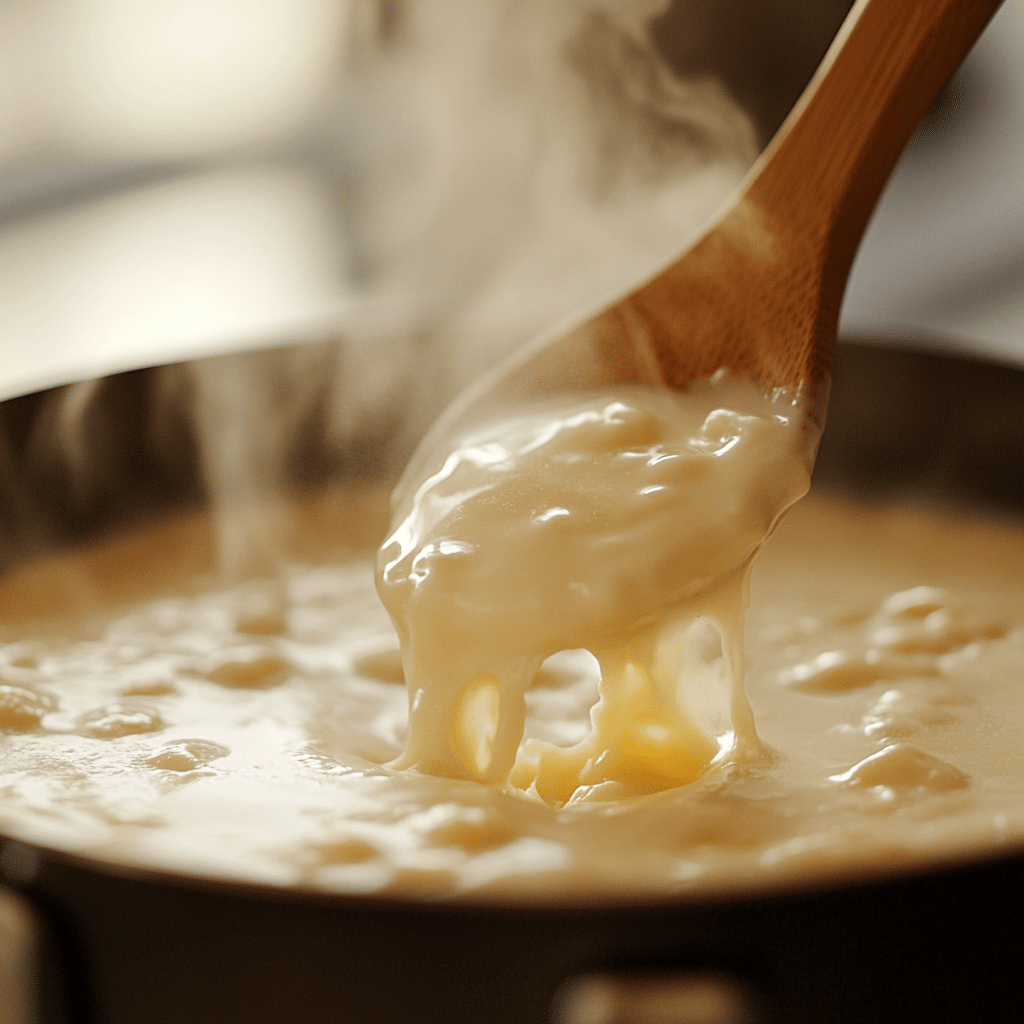
Brie cheese melts beautifully when handled the right way. That’s why creamy brie pasta works so well. The soft, creamy center of brie begins to break down as soon as it hits the heat, turning into a silky texture that wraps around each strand of pasta. The rind, which is edible, also softens and adds body to the sauce.
To get the smoothest results, it’s important to remove the brie from the fridge ahead of time. Room temperature brie melts faster and blends better. Cut it into small chunks so it softens evenly. Add it to the warm pasta with a little reserved cooking water, and stir gently until it becomes creamy and smooth.
Common mistakes when melting brie in pasta
There are a few things that can go wrong if you’re not careful. Adding brie to extremely hot temperatures or direct flame can cause it to separate. If it gets too hot too fast, the fat will break away and leave a greasy mess instead of a creamy sauce. That’s why it’s best to melt brie gently, off the heat, using the warmth of the pasta and cooking water.
Another mistake is skipping the pasta water. That starchy water helps emulsify the cheese into a sauce. Without it, your creamy brie pasta may turn out clumpy or overly thick. Always save at least half a cup of pasta water before draining.
Does brie melt well in pasta?
Yes, brie melts very well in pasta. Its soft interior and high-fat content make it perfect for creamy sauces. When combined with hot pasta and a little starchy water, it melts into a rich, velvety texture that gives creamy brie pasta its signature smoothness.
Print
Creamy Brie Pasta
- Prep Time: 10 minutes
- Cook Time: 15 minutes
- Total Time: 25 minutes
- Yield: 4 servings
- Category: Dinner, Pasta
- Method: Stovetop
- Cuisine: American, Italian-inspired
- Diet: Vegetarian
Description
Creamy brie pasta combines the richness of melted brie with garlic, herbs, and tender pasta. This easy yet elegant dish delivers big flavor using minimal ingredients.
Ingredients
- 12 oz pasta (fettuccine, linguine, or penne)
- 8 oz brie cheese, rind trimmed and cubed
- 2 cloves garlic, minced
- 2 tbsp olive oil or unsalted butter
- 1/3 cup reserved pasta water
- Salt and pepper to taste
- Optional: lemon zest, fresh basil, spinach, cherry tomatoes
Instructions
- Bring a large pot of salted water to a boil. Cook pasta until al dente. Reserve 1/3 cup of the pasta water, then drain.
- In a skillet, heat olive oil over medium heat. Sauté garlic for 1 minute until fragrant.
- Add drained pasta to the skillet. Turn off the heat.
- Add cubed brie to the hot pasta.
- Pour in reserved pasta water slowly, stirring until brie melts and forms a smooth sauce.
- Season with salt, pepper, and optional lemon zest. Add fresh herbs or vegetables if desired.
- Serve immediately with a garnish of basil or grated Parmesan.
Notes
- Trim the brie rind for a smoother sauce.
- Add proteins like grilled chicken, pancetta, or shrimp for variety.
- Reheat gently with a splash of milk or water to keep the sauce creamy.
How Brie Melts in Pasta Does Brie Melt Well?
What happens when brie melts in pasta
Brie cheese melts beautifully when handled the right way. That’s why creamy brie pasta works so well. The soft, creamy center of brie begins to break down as soon as it hits the heat, turning into a silky texture that wraps around each strand of pasta. The rind, which is edible, also softens and adds body to the sauce.
To get the smoothest results, it’s important to remove the brie from the fridge ahead of time. Room temperature brie melts faster and blends better. Cut it into small chunks so it softens evenly. Add it to the warm pasta with a little reserved cooking water, and stir gently until it becomes creamy and smooth.
Common mistakes when melting brie in pasta
There are a few things that can go wrong if you’re not careful. Adding brie to extremely hot temperatures or direct flame can cause it to separate. If it gets too hot too fast, the fat will break away and leave a greasy mess instead of a creamy sauce. That’s why it’s best to melt brie gently, off the heat, using the warmth of the pasta and cooking water.
Another mistake is skipping the pasta water. That starchy water helps emulsify the cheese into a sauce. Without it, your creamy brie pasta may turn out clumpy or overly thick. Always save at least half a cup of pasta water before draining.
Does brie melt well in pasta?
Yes, brie melts very well in pasta. Its soft interior and high-fat content make it perfect for creamy sauces. When combined with hot pasta and a little starchy water, it melts into a rich, velvety texture that gives creamy brie pasta its signature smoothness.
How to Mix and Melt Brie Into Pasta
Step-by-step technique to melt brie into sauce without breaking
The key to making creamy brie pasta lies in how you melt the cheese. Done right, it creates a smooth, silky sauce. Done wrong, it can turn greasy or clumpy. Follow these simple steps for perfect results every time:
- Bring brie to room temperature: Cold brie is harder to melt evenly. Let it sit out for 20–30 minutes before using.
- Trim the rind if desired: The rind is edible and adds flavor, but for a smoother texture, you can remove part or all of it.
- Cook your pasta: Boil until al dente, then reserve at least half a cup of pasta water before draining.
- Toss pasta and brie together: Add the hot pasta back to the pot, turn off the heat, and add your chunks of brie.
- Add pasta water slowly: Stir in a few tablespoons at a time, mixing constantly until the cheese melts into a glossy sauce.
This method keeps the sauce from breaking and gives your creamy brie pasta its signature texture.
Adding dairy to enhance creaminess
If you want your sauce extra rich, you can add a splash of heavy cream or milk. Start with a tablespoon and adjust to your liking. This isn’t required, but it can make the brie melt more smoothly and add depth to the flavor.
Some cooks also stir in a bit of unsalted butter or a touch of olive oil to create an even creamier finish.
Can I mix brie into pasta?
Yes, you can. In fact, mixing brie into hot pasta is one of the easiest ways to make a rich, flavorful sauce. Just add the cheese while the pasta is still steaming, stir in some pasta water, and you’ll have creamy brie pasta in minutes.
How to Mix and Melt Brie Into Pasta
Step-by-step technique to melt brie into sauce without breaking
The key to making creamy brie pasta lies in how you melt the cheese. Done right, it creates a smooth, silky sauce. Done wrong, it can turn greasy or clumpy. Follow these simple steps for perfect results every time:
- Bring brie to room temperature: Cold brie is harder to melt evenly. Let it sit out for 20–30 minutes before using.
- Trim the rind if desired: The rind is edible and adds flavor, but for a smoother texture, you can remove part or all of it.
- Cook your pasta: Boil until al dente, then reserve at least half a cup of pasta water before draining.
- Toss pasta and brie together: Add the hot pasta back to the pot, turn off the heat, and add your chunks of brie.
- Add pasta water slowly: Stir in a few tablespoons at a time, mixing constantly until the cheese melts into a glossy sauce.
This method keeps the sauce from breaking and gives your creamy brie pasta its signature texture.
Adding dairy to enhance creaminess
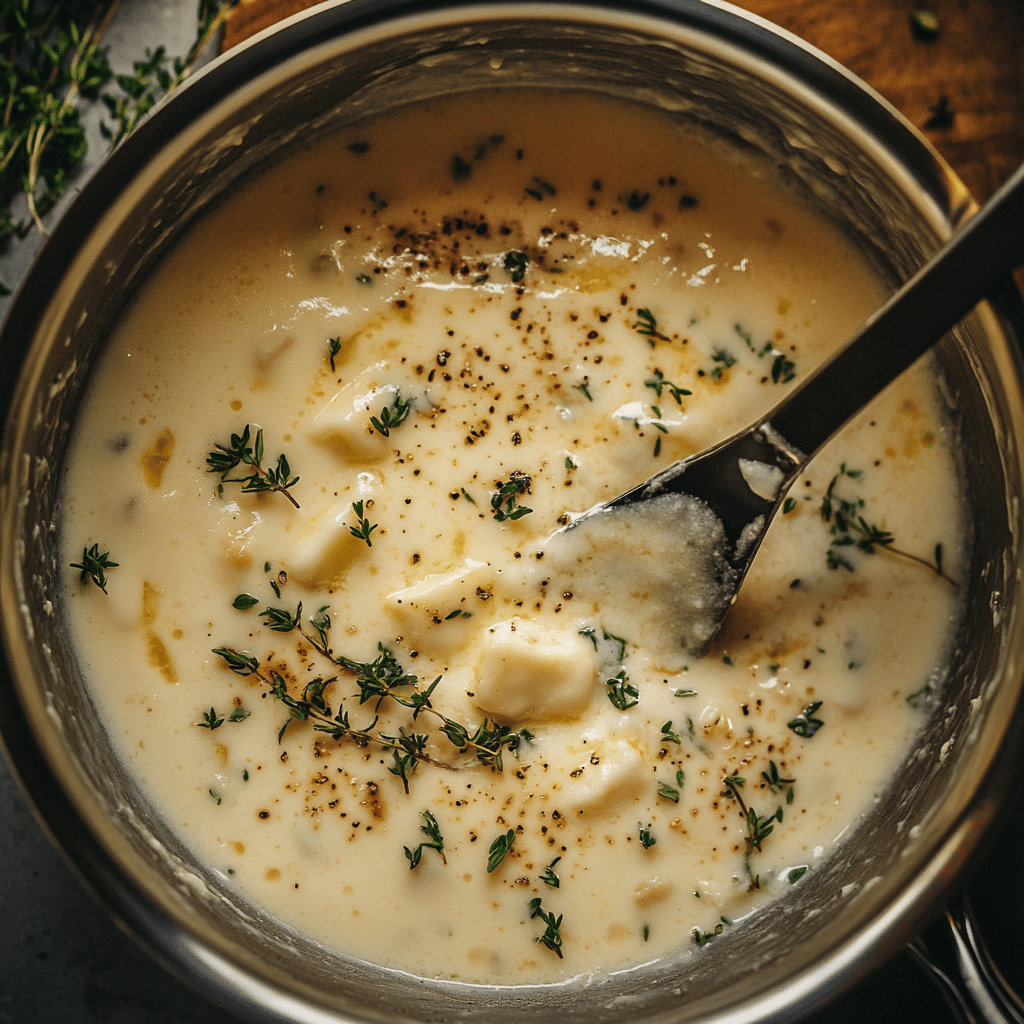
If you want your sauce extra rich, you can add a splash of heavy cream or milk. Start with a tablespoon and adjust to your liking. This isn’t required, but it can make the brie melt more smoothly and add depth to the flavor.
Some cooks also stir in a bit of unsalted butter or a touch of olive oil to create an even creamier finish.
Can I mix brie into pasta?
Yes, you can. In fact, mixing brie into hot pasta is one of the easiest ways to make a rich, flavorful sauce. Just add the cheese while the pasta is still steaming, stir in some pasta water, and you’ll have creamy brie pasta in minutes.
Making a Creamy Brie Sauce
How to make brie cheese sauce for pasta
Creating a smooth and flavorful brie sauce is easier than you might think. With just a few steps and minimal ingredients, you can make a sauce that tastes like it came from a fancy bistro. Here’s how to bring creamy brie pasta to life with a homemade sauce:
- Start with a base: In a large skillet, heat a small amount of olive oil or butter over medium heat. Add finely chopped garlic and sauté until fragrant.
- Add liquid: Pour in a splash of milk, cream, or pasta water. This helps thin the sauce and prepares it for the melted cheese.
- Add the brie: Remove the rind if you want a smoother finish. Cut the brie into small cubes and stir into the warm liquid. Keep the heat low and stir gently as it melts.
- Season: Add salt, cracked black pepper, and a bit of lemon zest for brightness. Fresh thyme or basil can also elevate the flavor.
- Toss with pasta: Add cooked pasta directly into the pan and mix until every piece is coated in the creamy brie sauce.
That’s it. In under 20 minutes, your creamy brie pasta is ready to serve.
Seasonings and add-ins to boost flavor
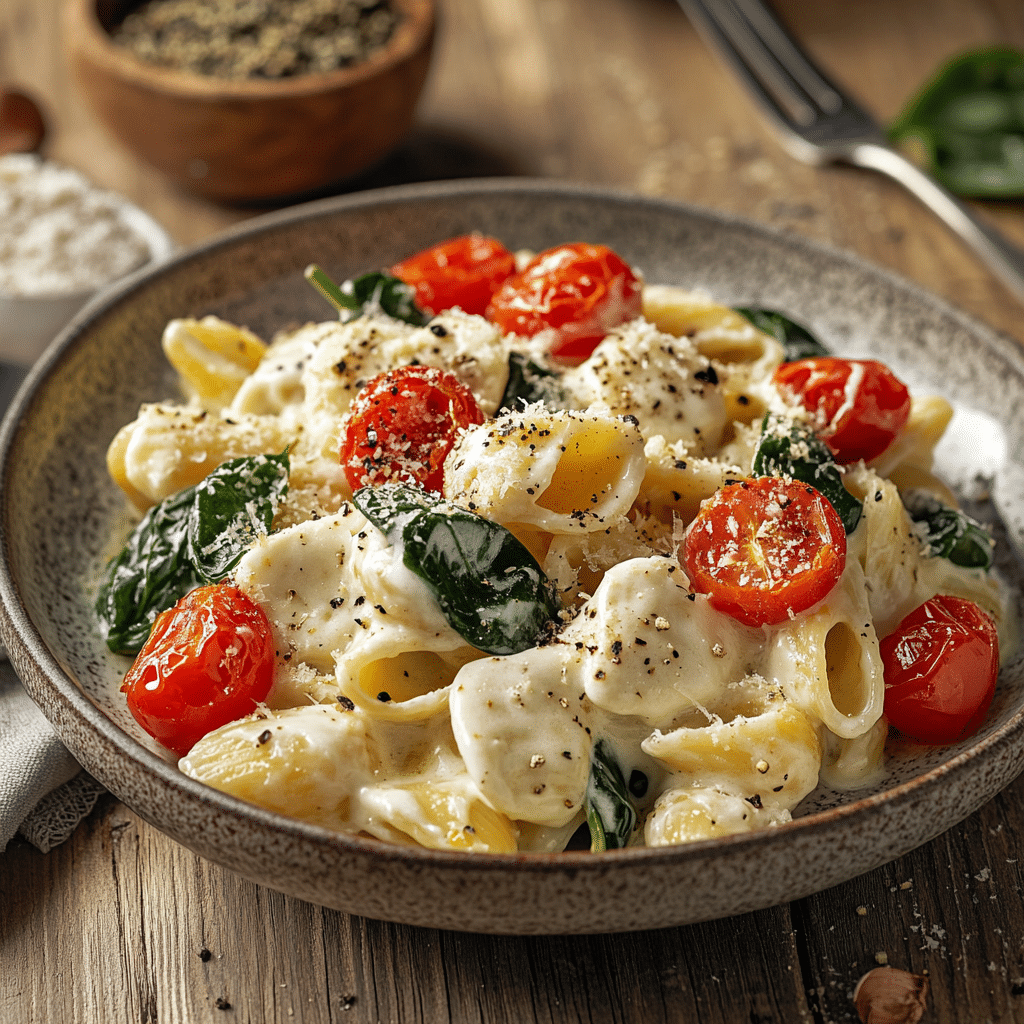
Brie has a subtle flavor, so seasoning matters. Try garlic, onion powder, or even a pinch of red pepper flakes for heat. Lemon juice balances the richness, and fresh herbs add color and aroma.
You can also stir in sautéed mushrooms, spinach, or roasted cherry tomatoes for more complexity. These pair beautifully with the creamy texture of brie and bring extra depth to the dish.
Can you melt brie into a sauce?
Absolutely. Brie melts very well and makes an excellent cheese sauce. Just be sure to use low heat and combine it with a small amount of liquid like milk or pasta water. This creates the smooth texture that makes creamy brie pasta so satisfying.
Top Flavor Combos With Creamy Brie Pasta
Vegetables and herbs that pair beautifully
Creamy brie pasta has a delicate richness that pairs well with both bold and subtle ingredients. Adding vegetables is a great way to balance the cheese and bring more texture to the dish.
Popular vegetable pairings include:
- Cherry tomatoes, roasted or sautéed, add a burst of sweetness and color.
- Spinach wilts into the sauce and brings freshness.
- Caramelized onions deepen the flavor and complement brie’s buttery notes.
- Zucchini or asparagus, lightly sautéed, work well in warmer months.
When it comes to herbs, fresh basil, thyme, or chives bring brightness. A sprinkle of parsley at the end adds a fresh finish that cuts through the creamy texture.
Protein additions: chicken, pancetta, shrimp
To make creamy brie pasta a complete meal, you can add protein. The mild flavor of brie makes it versatile with both meat and seafood.
- Grilled or shredded chicken makes it heartier without overpowering the cheese.
- Crispy pancetta or bacon adds saltiness and crunch that contrast the soft pasta.
- Shrimp, especially when pan-seared with garlic, brings a touch of luxury.
These options turn a simple bowl of creamy brie pasta into a filling, satisfying dinner.
Wine pairing suggestions
A rich dish like creamy brie pasta deserves a good glass of wine. For white wine lovers, Chardonnay or Sauvignon Blanc works well. These wines cut through the richness and highlight the creamy texture.
If you prefer red, go for a light-bodied wine like Pinot Noir. Its fruitiness won’t overwhelm the dish. Rosé also pairs nicely, especially if your recipe includes herbs or vegetables.
Variations on Creamy Brie Pasta Recipes
Baked brie pasta version
If you’re craving comfort with a touch of drama, baked creamy brie pasta is a must-try. This version involves placing a whole wheel or wedge of brie in a baking dish surrounded by cooked pasta and flavor boosters like cherry tomatoes, garlic, and fresh herbs.
As the brie bakes, it softens and becomes gooey. Stir it directly into the hot pasta right before serving. The result is creamy brie pasta with a golden, slightly roasted flavor that takes things to the next level.
Brie with sundried tomatoes or olives
For a more Mediterranean twist, try adding sundried tomatoes or Kalamata olives to your creamy brie pasta. These ingredients add bold, tangy notes that cut through the richness of the cheese.
A handful of chopped sundried tomatoes stirred into the sauce brings a concentrated sweetness. Olives add salt and complexity. You can even toss in roasted red peppers or marinated artichokes for more flavor depth.
This variation works especially well with short pasta shapes like penne or farfalle.
Vegan or dairy-free alternatives
Even if you’re avoiding dairy, you can still enjoy the comfort of creamy brie pasta. Look for vegan brie alternatives made from cashews or coconut. These cheeses melt well and offer a similar creamy texture.
Use unsweetened plant-based milk like oat or almond to thin the sauce. Nutritional yeast adds a cheesy flavor, and a squeeze of lemon brightens everything up. While not identical to traditional brie, this version still delivers a cozy, creamy pasta dish that’s satisfying and dairy-free.
Tips for Perfect Creamy Brie Pasta Every Time
How to prevent sauce from splitting
One of the biggest mistakes when making creamy brie pasta is overheating the cheese. When brie gets too hot too fast, the fats can separate from the proteins. This causes the sauce to look oily instead of smooth.
To avoid this, melt the brie using the residual heat from the pasta rather than direct flame. Always add it off the heat, and stir gently with a splash of pasta water. This method helps the cheese emulsify into a silky, even sauce.
Best cheese quality and rind guidance
Brie quality matters. Use fresh, high-quality brie from the cheese section rather than pre-sliced options. Look for one that’s soft, creamy, and slightly ripe.
The rind is edible and full of flavor, but if you prefer a smoother texture, you can remove part or all of it before melting. If you leave it on, just chop it finely so it blends better into the sauce.
A soft brie with a creamy interior will always melt more easily and result in the best creamy brie pasta.
Storage and reheating tips
Creamy brie pasta is best served fresh, but leftovers can still be delicious with the right technique. Store in an airtight container in the fridge for up to two days.
When reheating, add a tablespoon of milk or water to the pasta and warm it gently on the stove or in the microwave. Stir frequently to bring back the creamy texture. Avoid overheating, as it can cause the sauce to split.
FAQs About Creamy Brie Pasta
Does brie melt well in pasta?
Yes, brie melts very well in pasta. It has a soft, creamy interior that becomes silky when warmed. When combined with hot pasta and a bit of cooking water, it transforms into a smooth sauce that coats every bite. This is what makes creamy brie pasta such a satisfying and easy recipe.
Can I mix brie into pasta?
Absolutely. Mixing brie into hot pasta is one of the simplest ways to create a quick, creamy sauce. The heat from the noodles helps melt the cheese evenly. Just remember to stir in a bit of reserved pasta water to create that perfect consistency for your creamy brie pasta.
Can you melt brie into a sauce?
Yes, brie melts beautifully into sauces. Use low heat, cut the cheese into small pieces, and stir it into a warm liquid base like milk or pasta water. It will dissolve into a velvety sauce that’s perfect for creamy brie pasta dishes.
What kind of pasta goes best with brie?
You can use either long or short pasta. Fettuccine, linguine, or spaghetti work well for a smooth, elegant feel. Penne, rigatoni, or fusilli are great for capturing the sauce in their ridges and curves. The best pasta for creamy brie pasta really depends on your texture preference.
Conclusion
Creamy brie pasta is more than just a quick meal. It’s a dish that feels comforting and elegant at the same time. Whether you’re cooking for yourself, your family, or a dinner guest, this recipe delivers big flavor with little effort. The richness of the melted brie, combined with your choice of pasta, makes it easy to enjoy a restaurant-style experience right at home.
Looking for inspiration? Try more cozy pasta recipes and tips on Eat Oky. We’re all about helping you turn simple ingredients into standout meals.
From simple garlic additions to full-on baked versions with roasted vegetables, creamy brie pasta adapts to your cravings. Now that you know how to melt, mix, and serve it with confidence, it’s time to bring this crowd-pleaser into your weekly rotation.
For more healthy recipes and drinks follow Eatoky Recipes on Facebook and Eatoky Recipes on Medium and Eatoky Recipes on Pinterest