
High protein lasagna is more than just a meal. At Eatoky, it represents our philosophy: real food made with intention. We believe healthy eating should feel good, taste amazing, and fit into everyday life. That’s why we created this high protein lasagna recipe. It blends comfort and nutrition into a dish you’ll come back to again and again.
Picture this. You pull a bubbling tray of lasagna out of the oven. The rich smell of tomato, herbs, and melted cheese fills the kitchen. Under the golden top layer are tender noodles, seasoned ground beef, zucchini, and summer squash. Creamy cottage cheese adds richness without the heaviness. It’s the kind of meal that satisfies your cravings and supports your goals.
Whether you’re training hard, managing your macros, or just feeding your family something wholesome, this recipe works. It’s simple to prepare, packed with protein, and made with ingredients you can feel good about. That’s what we stand for at Eatoky. Food that brings people together and fuels their best days.
Let’s get into why this high protein lasagna should be on your table tonight.
Table of Contents
Table of Contents
Why High Protein Lasagna Is a Smart Choice
What “high protein” means in the context of lasagna
Most classic lasagna recipes focus on comfort, not nutrition. They often rely on refined pasta and heavy cheeses, which can be filling but low in protein. A high protein version changes that. It includes lean meats, smart dairy swaps, and veggie-rich layers that boost both flavor and nutritional value.
A high protein meal usually contains between 25 and 40 grams of protein per serving. This supports muscle growth, helps you feel full, and stabilizes your energy levels. In this lasagna, ingredients like cottage cheese, mozzarella, and lean ground beef provide complete protein sources that your body can absorb and use efficiently.
How high protein lasagna supports muscle growth and recovery
Protein helps rebuild muscles after exercise. It also helps prevent muscle breakdown during weight loss or high activity. When you combine it with complex carbohydrates from vegetables or whole grain noodles, your body gets both fuel and building blocks.
This lasagna fits into a fitness-focused lifestyle without feeling restrictive. It delivers a full, satisfying meal that leaves you nourished and energized. You won’t need a second dinner. One generous slice gives you the protein you need with the comfort you crave.
Understanding the Ingredients in High Protein Lasagna
Choosing the right pasta or alternative layers for more protein
The foundation of any good lasagna is the pasta. But when you’re making a high protein lasagna, not just any noodles will do. Most traditional noodles are low in protein and high in carbs, which can spike your blood sugar and leave you hungry later.
To build a better lasagna, start with smarter pasta choices. Whole wheat lasagna sheets have more fiber and a small bump in protein. For a bigger boost, try pasta made from lentils or chickpeas. These options are higher in protein and gluten-free, making them a great fit for people with dietary restrictions. You can even find high-protein pasta brands made specifically for athletes and fitness enthusiasts.
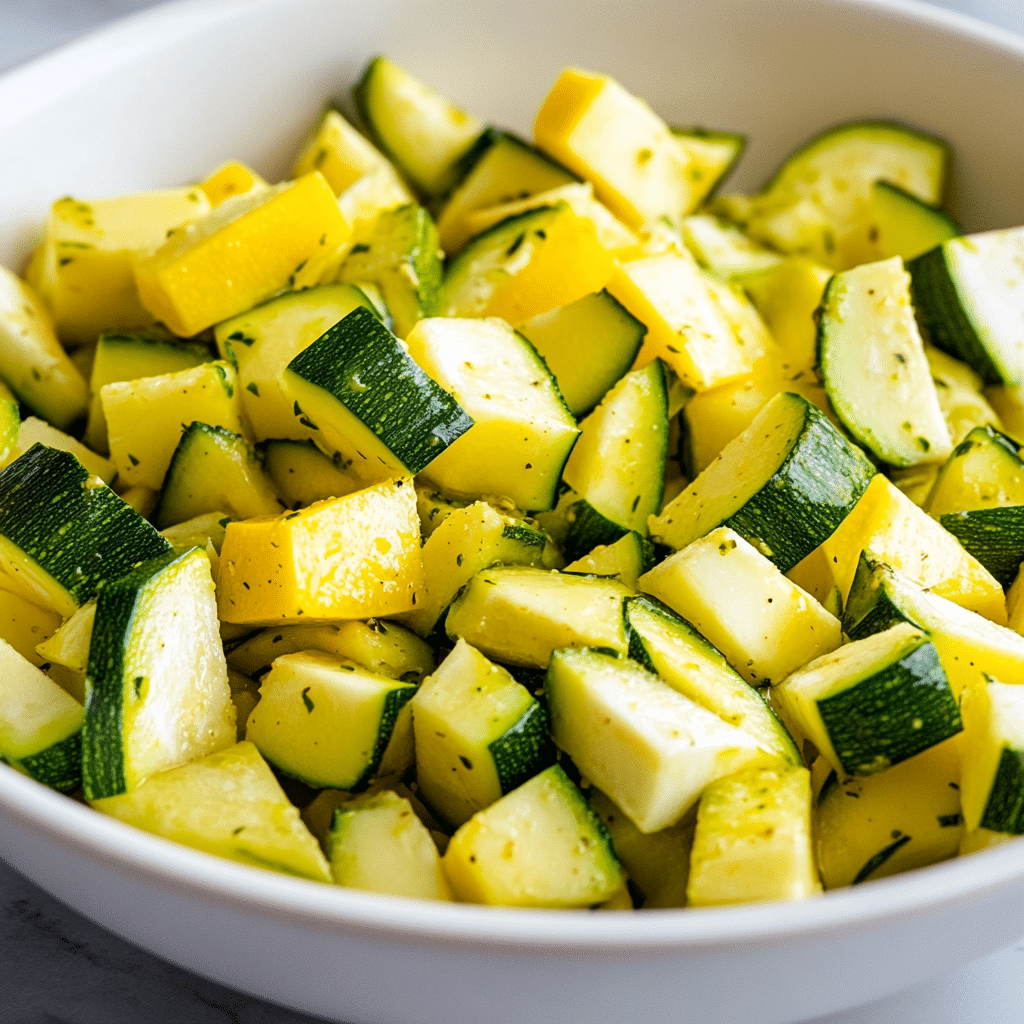
Another popular option is to replace noodles with zucchini slices. Zucchini adds moisture and texture, and while it’s lower in protein, it pairs well with other protein-rich ingredients. It’s also perfect for anyone following a low-carb or gluten-free lifestyle.
| Pasta Choice | Protein (Approx.) | Notes |
|---|---|---|
| Traditional noodles | 7g per serving | Low protein, fast digesting |
| Whole wheat pasta | 8–9g | More fiber, slightly more protein |
| Chickpea/lentil pasta | 12–15g | High in protein and fiber, gluten-free |
| Zucchini slices | ~2g | Low-carb alternative, adds volume and flavor |
Choosing the right pasta sets the tone for a well-balanced, high protein lasagna that fills you up and fuels your day.
Selecting lean protein sources like beef, cottage cheese, and Greek yogurt
The true power of a high protein lasagna comes from the filling. In this recipe, we use lean ground beef, which delivers flavor and roughly 23 grams of protein per 4-ounce serving. You can also substitute with ground turkey or chicken, both excellent options for a leaner cut.
Another standout is low-fat cottage cheese. It’s creamy, packed with casein protein, and blends perfectly with mozzarella and Parmesan. Just half a cup of cottage cheese adds around 14 grams of slow-digesting protein.
Greek yogurt can also be used as a partial swap. It adds a tangy flavor and can increase the protein content even more. Use it to replace some or all of the ricotta or cottage cheese if you want an extra punch.
Finally, cheese plays both a flavor and a nutritional role. Mozzarella melts beautifully and adds protein and calcium, while Parmesan brings saltiness and a boost of umami.
These ingredients come together to create a high protein lasagna that’s rich, satisfying, and great for building or maintaining lean muscle.
Print
high protein lasagna recipe
- Prep Time: 20 minutes
- Cook Time: 45 minutes
- Total Time: 1 hour 5 minutes
- Yield: 8 servings
- Category: Dinner, Meal Prep, High Protein
- Method: Baked
- Cuisine: Baked
Description
This is the ultimate easy healthy lasagna recipe rich, cheesy, and perfectly satisfying. I’ve been making it for years, and it’s still a go-to favorite in our house. With over 340 five-star reviews, it’s no surprise this high protein lasagna has become one of the best healthy dinner ideas around. All the classic flavor you love, but made lighter with lean ingredients and packed with 40 grams of protein per serving for a better-for-you twist on a comfort food classic.
Ingredients
- 1 pound lean ground beef
- ½ cup diced onion, chopped
- 2 cups finely diced zucchini (about 2 small or 1 large)
- 1 cup finely diced summer squash (about 1 medium or large)
- 1 (15 oz) can whole or crushed tomatoes (approx. 2 cups)
- 1 (10 oz) can tomato sauce (approx. 1¼ cups)
- 2 teaspoons garlic powder
- 2 teaspoons salt
- 1 teaspoon dried parsley
- 1 teaspoon dried basil
- ½ teaspoon dried oregano
- ½ teaspoon black pepper
- 6 ounces oven-ready lasagna noodles (about 8 noodles)
- 16 ounces low-fat cottage cheese
- 1 cup shredded Parmesan cheese
- 1½ cups shredded mozzarella cheese
Instructions
Preheat the oven to 375°F (190°C).
In a large skillet, cook the onion and ground beef over medium-high heat for about 10 minutes, or until beef is fully browned. Drain any excess fat and set aside.
While the beef cooks, dice the zucchini and summer squash into ¼–½ inch cubes.
Add the diced zucchini and squash to the same pan and cook for 7–10 minutes until slightly softened.
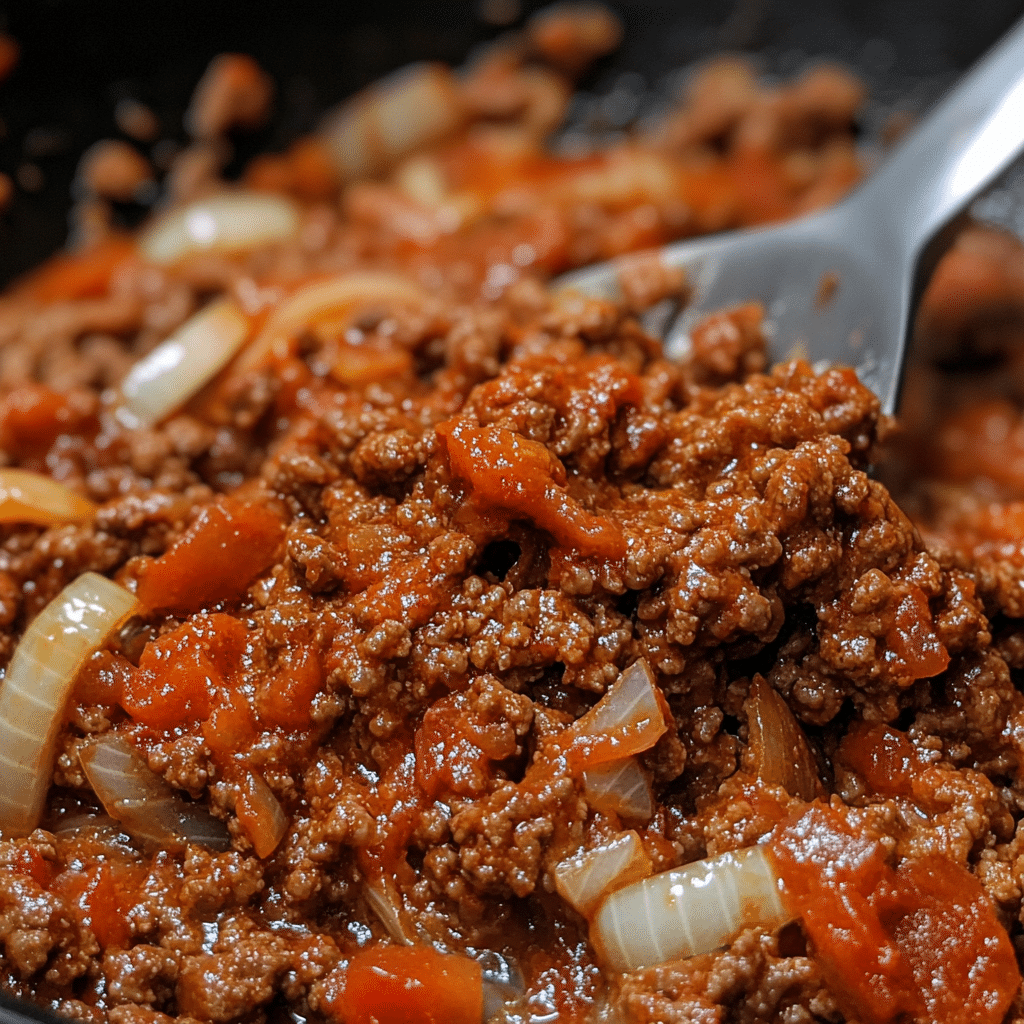
Stir in the tomatoes, tomato sauce, garlic powder, salt, parsley, basil, oregano, and black pepper. Simmer over medium heat for another 7–10 minutes, breaking down the tomatoes as you stir.
Return the beef and onions to the skillet. Mix well to combine everything evenly.
In a 9×13-inch casserole dish, spread ¼ of the sauce mixture along the bottom.
Layer 4 oven-ready lasagna noodles over the sauce.
Spoon ½ of the cottage cheese on top of the noodles.
Sprinkle with ½ of the Parmesan and ½ of the mozzarella cheese.
Repeat steps 7–10 with the remaining sauce, noodles, and cheeses.
Cover the dish tightly with foil and bake for 30 minutes.
Uncover and bake for an additional 15 minutes until the top is bubbly and golden.
Cool for 5–10 minutes before slicing and serving warm.
Notes
You can easily prepare this high protein lasagna in advance. Simply assemble it the night before or earlier in the day, cover it tightly, and refrigerate until you’re ready to bake. Want to freeze it? Wrap the unbaked lasagna in plastic wrap followed by foil, or store it in a freezer-safe glass casserole dish with a tight-fitting lid. It will keep well in the freezer for up to 3 months. When you’re ready to enjoy, bake it directly from frozen just add an extra 15 to 20 minutes to the baking time.
Health Benefits of High Protein Lasagna
Protein intake and satiety: how this dish helps you feel full
One of the best things about high protein lasagna is how satisfying it is. Protein plays a key role in keeping hunger at bay. It digests more slowly than carbs, which means you’ll feel fuller for longer. This is a major advantage if you’re trying to lose weight, build muscle, or just avoid late-night snacking.
Unlike traditional pasta-heavy lasagna that may leave you sluggish, this high protein lasagna keeps you energized. Each bite delivers a balance of lean protein, healthy fats, and fiber. That combination helps stabilize your blood sugar, which reduces cravings and supports steady energy throughout the day.
This is especially important for athletes, busy parents, and anyone who wants a comforting meal that also fits their wellness goals. A single serving of this high protein lasagna can deliver over 30 grams of protein, making it a smart choice for active lifestyles.
Nutrient boosts from cheese, vegetables, and lean meat in lasagna
This recipe isn’t just about macros. It’s packed with real food ingredients that offer real health benefits.
- Zucchini and summer squash are loaded with fiber and antioxidants. They also add moisture and texture without extra calories.
- Cottage cheese adds a creamy layer that’s high in casein, a slow-digesting protein that supports recovery while you rest.
- Lean ground beef provides iron, zinc, and B vitamins all crucial for strength and brain function.
- Tomatoes and tomato sauce offer a boost of lycopene, a powerful antioxidant with anti-inflammatory effects.
- Parmesan and mozzarella bring calcium and protein that help maintain strong bones and lean muscle.
When you combine these ingredients, you’re building a meal that does more than satisfy your appetite. This high protein lasagna helps nourish your body from the inside out. It supports recovery, immune health, and long-term energy all while tasting like your favorite comfort food.
Still wondering what makes this dish better than the usual pasta bake? The answer is simple. This high protein lasagna works harder for you.
How to Build a High Protein Lasagna Step-by-Step
Making high protein lasagna is easier than you think. With the right mix of lean meat, low-fat dairy, and fresh vegetables, you can assemble a satisfying, protein-packed meal that’s perfect for meal prep or a family dinner.
This recipe features wholesome ingredients and easy-to-follow steps. You don’t need to be a chef. Just grab a few pantry staples, some fresh produce, and you’re ready to create one of the best high protein lasagna dishes you’ve ever tasted.
Ingredients
- 1 pound lean ground beef
- 1/2 cup diced onion, chopped
- 2 cups finely diced zucchini (about 2 small or 1 large)
- 1 cup finely diced summer squash (about 1 medium or large)
- 1 (15 oz) can whole or crushed tomatoes (about 2 cups)
- 1 (10 oz) can tomato sauce (1 1/4 cups)
- 2 teaspoons garlic powder
- 2 teaspoons salt
- 1 teaspoon dried parsley
- 1 teaspoon dried basil
- 1/2 teaspoon dried oregano
- 1/2 teaspoon black pepper
- 6 oz oven-ready lasagna noodles (about 8 noodles)
- 16 oz low-fat cottage cheese
- 1 cup shredded Parmesan
- 1 1/2 cups shredded mozzarella
Instructions
- Preheat your oven to 375°F (190°C).
- In a large skillet, cook the chopped onions and lean ground beef over medium-high heat until browned. This should take about 10 minutes. Drain any excess fat and set aside.
- While the beef cooks, dice your zucchini and summer squash into small cubes.
- In the same skillet, sauté the zucchini and squash for 7–10 minutes until softened.
- Add the tomatoes, tomato sauce, garlic powder, salt, and herbs to the pan. Stir well and cook for another 7–10 minutes, breaking up the tomatoes with a spoon.
- Return the cooked beef and onions to the sauce. Stir to combine everything evenly.
- Spread 1/4 of the meat sauce in a 9×13-inch casserole dish.
- Layer 4 oven-ready lasagna noodles over the sauce.
- Spoon half of the cottage cheese over the noodles.
- Sprinkle half of the Parmesan and half of the mozzarella on top.
- Repeat the layers: sauce, noodles, cheese.
- Cover the dish with foil and bake for 30 minutes.
- Remove the foil and bake uncovered for another 15 minutes until the top is golden and bubbly.
- Let it cool for 5–10 minutes before serving.
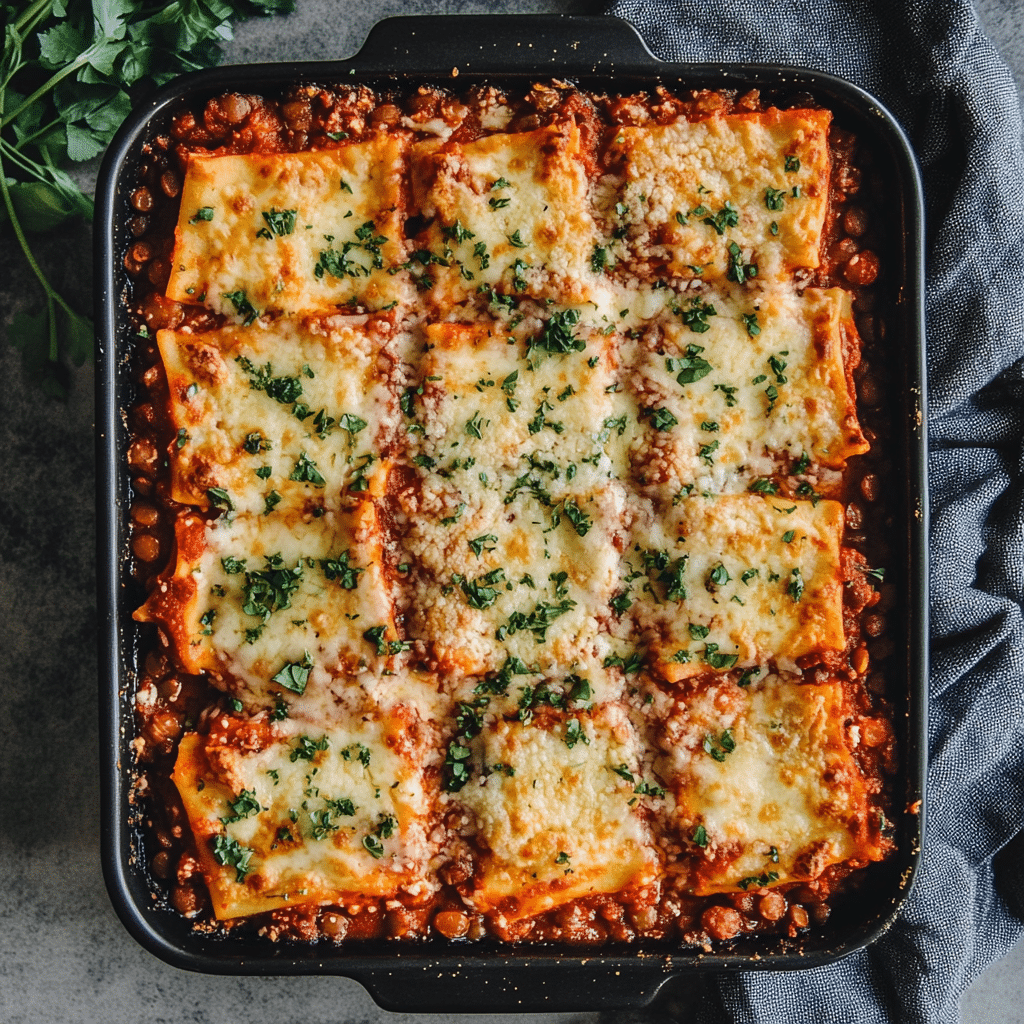
This high protein lasagna serves 6 to 8 people, depending on portion size. Each serving provides a rich balance of protein, complex carbs, and healthy fats. It’s the kind of comfort food that works hard for your body while still delivering all the flavor you crave.
Need more meal ideas like this? Don’t miss our muscle-friendly comfort food collection .
Smart Swaps and Variations for Maximum Protein
High protein lasagna is already a game changer, but small tweaks can help you meet your specific dietary goals or preferences. Whether you’re looking to reduce carbs, avoid dairy, or go meat-free, there’s a version of this dish that works for you. Let’s explore some smart, protein-friendly swaps that don’t sacrifice flavor or texture.
Using cottage cheese or Greek yogurt instead of ricotta or bechamel
Many traditional lasagna recipes rely on ricotta cheese or creamy béchamel sauce. While tasty, these options can be high in fat and lower in protein. A great alternative is low-fat cottage cheese, which brings creaminess and adds over 25 grams of protein per cup. It blends well with herbs and doesn’t overpower the other ingredients.
Another swap is plain Greek yogurt. It’s rich in protein and adds a slight tang that brightens the dish. You can use it in place of part or all of the cottage cheese or combine both for a more complex flavor. These changes not only boost the protein content but also cut back on calories and saturated fat.
For example:
| Traditional Ingredient | High-Protein Swap | Benefit |
|---|---|---|
| Ricotta cheese | Low-fat cottage cheese | More protein, fewer calories |
| Béchamel sauce | Greek yogurt | Lighter, tangy, high protein |
| Full-fat cheese | Part-skim mozzarella | Less fat, good melt and taste |
These swaps make your high protein lasagna even more functional without losing the comfort you’re after.
Vegetarian or vegan high protein lasagna options
You don’t need meat to make a high protein lasagna. A plant-based version can still deliver impressive protein numbers with the right ingredients. Use lentils, tofu crumbles, or textured vegetable protein (TVP) in place of ground meat. These options are low in fat, fiber-rich, and easy to season.
To replace dairy, go for plant-based cottage cheese alternatives, soy-based mozzarella, or cashew cream for layering. You can even find high-protein vegan cheeses made from pea protein or chickpeas.
Here’s how a vegetarian version might look:
- Protein source: Cooked lentils or tofu
- Pasta: Chickpea or lentil-based noodles
- Cheese: Vegan mozzarella and almond ricotta
- Sauce: Crushed tomatoes with herbs and nutritional yeast
This version is perfect for people who want a plant-based meal that still supports recovery, fullness, and performance.
Whether you’re cooking for dietary needs or just experimenting with flavors, these smart swaps make it easy to enjoy high protein lasagna your way.
Looking for plant-powered ideas? Visit our vegetarian high protein meals for more tasty options.
Common Mistakes and How to Avoid Them in High Protein Lasagna
Even though making high protein lasagna is pretty simple, small mistakes can affect the final texture, taste, or nutritional value. Whether it’s choosing the wrong noodles or adding too much cheese, here’s how to avoid the most frequent pitfalls and make your lasagna the right way every time.
Overloading cheese and fat vs staying macro-smart
One of the most tempting mistakes is going heavy on cheese. It’s easy to think that adding extra mozzarella or Parmesan will make the dish better. While it might taste great, it can also skyrocket the fat content and throw off your macro balance.
This dish is meant to be both comforting and functional. Use low-fat cottage cheese and part-skim mozzarella instead of full-fat versions. You’ll still get the creamy texture and gooey top without adding unnecessary calories. Stick to measured amounts and trust that less is more when your ingredients are high-quality.
Avoid processed cheese blends that are high in saturated fat and low in protein. Instead, focus on cheeses that actually contribute to your protein intake.
Pasta choices, portion size, and hidden carbs or sodium
Your choice of pasta matters. Regular noodles are fine in moderation, but high protein lasagna calls for smarter alternatives. Whole wheat, lentil, or chickpea-based noodles provide more protein and fiber per serving. They’re also more filling, which can help with portion control.
Also, be mindful of canned tomato sauces, which can contain added sugars and high sodium levels. Choose no-sugar-added varieties, or make your own using fresh or canned tomatoes, garlic, and herbs.
Finally, portion control is key. Just because a meal is packed with protein doesn’t mean you should double up. A well-balanced serving of high protein lasagna will keep you full longer than the same size portion of the classic version.
| Common Mistake | Smart Fix |
|---|---|
| Too much cheese | Use low-fat dairy and measure portions |
| Basic pasta | Choose high protein or whole grain |
| High-sodium sauces | Use low-salt, no-sugar-added versions |
| Oversized portions | Stick to macro-friendly serving sizes |
This dish is designed to support your goals, not slow you down. Keeping your ingredients clean and your portions in check will help you get the most out of every bite.
Need help planning your weekly meals? Explore our meal-prep friendly protein recipes for more smart choices.
High Protein Lasagna for Special Diets & Occasions
One of the best things about high protein lasagna is how easy it is to customize. Whether you’re following a specific diet or simply planning ahead for the week, this recipe can be adapted to suit your needs without sacrificing flavor or nutrition. Let’s look at a few smart ways to make high protein lasagna work for every lifestyle.
Low-carb, gluten-free, or plant-based high protein lasagna alternatives
If you’re cutting carbs, skip the noodles altogether. Use thin slices of zucchini or eggplant as the base. These vegetables are low in carbohydrates and calories, but they absorb flavor well and hold their structure after baking. This creates a satisfying lasagna that fits into keto, paleo, or general low-carb diets.
For gluten-free diets, you don’t have to give up on lasagna. Plenty of high protein pasta brands offer gluten-free options made from chickpeas, lentils, or brown rice. They’re sturdy, flavorful, and add a protein boost.
Plant-based eaters can still enjoy high protein lasagna with a few easy swaps. Replace the ground beef with lentils, tofu crumbles, or soy-based meat alternatives. Use vegan cheeses made from almond, cashew, or pea protein. You’ll still get plenty of protein without using any animal products.
| Dietary Need | Recommended Swap |
|---|---|
| Low-carb | Zucchini or eggplant instead of noodles |
| Gluten-free | Lentil or chickpea-based pasta |
| Vegan | Tofu, lentils, or plant-based cheeses |
These swaps help you stay on track while enjoying the same bold flavors and satisfying textures of traditional lasagna.
Meal-prep friendly: making ahead, freezing, reheating
High protein lasagna is perfect for meal prep. It holds up well in the fridge or freezer, making it a go-to for busy weeks.
Here’s how to make it prep-friendly:
- Make ahead: You can assemble the entire lasagna and store it uncooked in the fridge for up to 2 days.
- Freeze: Wrap the unbaked or baked lasagna tightly in foil and freeze for up to 2 months.
- Reheat: To reheat, bake covered at 350°F until warmed through, or microwave individual portions for 2–3 minutes.
This flexibility makes it an excellent option for meal planning, especially if you’re working on your fitness goals and want meals ready to go.
FAQs
Is lasagna healthy?
Lasagna can absolutely be healthy when made with the right ingredients. Traditional lasagna tends to be high in refined carbs and saturated fats, but a high protein lasagna uses lean meats, low-fat cheeses, and fiber-rich vegetables. These swaps boost the nutritional profile, making it a balanced, satisfying meal. When portioned properly, it supports muscle repair, helps manage hunger, and fits easily into most diets.
Why add cottage cheese to lasagna?
Cottage cheese is one of the best-kept secrets for making lasagna both creamy and protein-rich. It’s lower in fat than ricotta and higher in casein protein, which digests slowly and helps with muscle recovery. It also blends well with herbs and melted cheese, giving you a satisfying texture without the heaviness of traditional layers.
Can I make high protein lasagna without meat?
Yes. You can use lentils, tofu, or textured vegetable protein (TVP) in place of ground beef or turkey. These plant-based options still offer a solid amount of protein and work well with tomato-based sauces and cheese. Pair them with high protein pasta or add a layer of mashed white beans to boost protein even more.
Is it okay to freeze high protein lasagna?
Definitely. High protein lasagna freezes very well, either before or after baking. For best results, let the lasagna cool completely, wrap it tightly in foil or freezer-safe containers, and store it for up to two months. To reheat, thaw overnight in the fridge and bake until heated through.
What kind of pasta should I use for more protein?
Look for pasta made from chickpeas, lentils, or other legumes. These contain double or even triple the protein of traditional wheat pasta. Whole wheat noodles are another good option, offering more fiber and slightly more protein than white noodles.
Can I make this recipe dairy-free?
Yes, you can. Use dairy-free cheeses made from cashews, almonds, or soy. For cottage cheese, try almond- or coconut-based alternatives that are fortified with pea protein. Just be sure to check the labels for added protein content to keep the dish in line with your goals.
Conclusion
High protein lasagna isn’t just a better version of a classic it’s a full-on lifestyle upgrade. With smart ingredients like lean meat, low-fat cottage cheese, high protein noodles, and fresh vegetables, you’re giving your body what it needs without giving up comfort or flavor.
This dish proves that you don’t have to choose between nutrition and taste. Whether you’re fueling a workout, prepping meals for the week, or simply feeding your family something wholesome, this lasagna delivers. It’s rich, satisfying, and loaded with the kind of protein your body can actually use.
At Eatoky, we believe real food should fit real life. That’s why this high protein lasagna recipe is simple, customizable, and perfect for everyday cooking. You don’t need fancy tools or hard-to-find ingredients just a commitment to eating well and living fully.
Want more recipes like this? Don’t miss our collection of high protein comfort foods .
For more healthy recipes and drinks follow Eatoky Recipes on Facebook and Eatoky Recipes on Medium and Eatoky Recipes on Pinterest .